


Hey there, indoor gardening enthusiasts! Ready to bring the lekker vibes of the great outdoors into your home? Whether you’re a seasoned gardener looking to bring your passion indoors or a newbie just starting out, having the right setup is crucial to your success. This comprehensive guide will walk you through the essential steps and equipment you need to set up your indoor grow tent and help your plants thrive. We’ll cover everything from choosing the right grow tent to managing your grow environment, and even common mistakes to avoid.
Choosing the Right Grow Tent
The first step in setting up an indoor garden is choosing the right grow tent. Your choice will depend on several factors, including the types of plants you want to grow, the space available, and your budget.
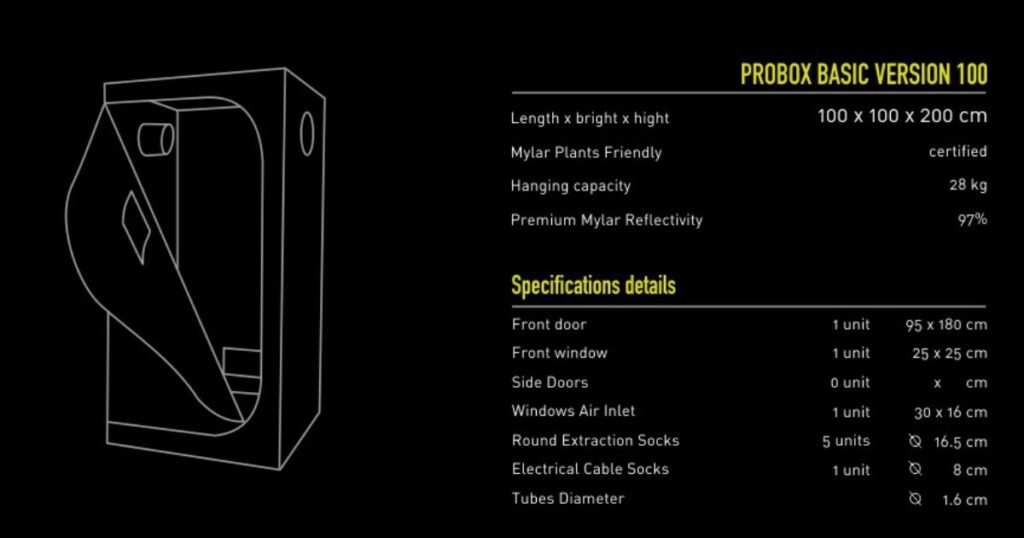
Garden HighPro ProBox Basic 100 Grow Tent – 100x100x200cm
Consider the size of the tent. If you’re planning to grow large plants or a large number of plants, you’ll need a bigger tent. However, if space is limited, you’ll need to opt for a smaller tent.
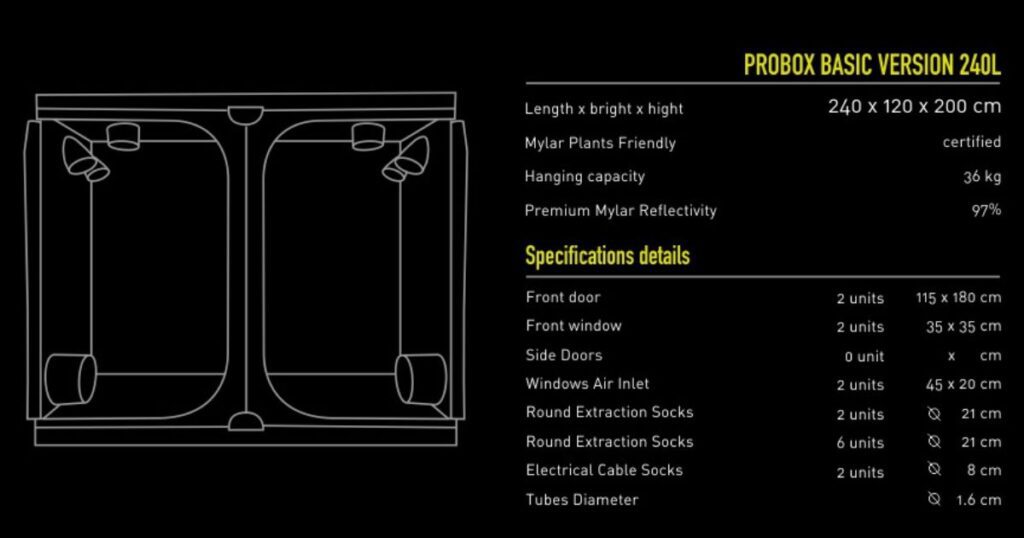
Garden HighPro ProBox Basic 240L Grow Tent – 240x120x200cm
The material of the tent is also important. Look for a tent made from durable, light-proof material that can withstand the heat from your grow lights.
The features of the tent are another consideration. A good grow tent should have ventilation options, such as vents or ports, to allow for good air circulation. It should also have reflective interiors to maximize light efficiency.
Essential Equipment for Your Grow Tent
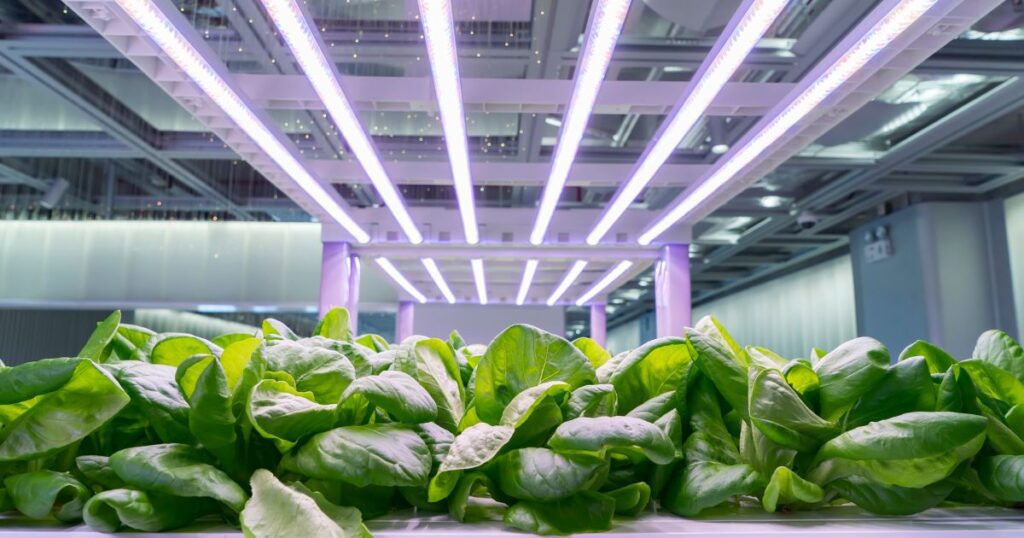
Once you’ve chosen your grow tent, it’s time to equip it with the necessary tools. Here’s a list of the essential equipment you’ll need:
- Grow Lights: These are crucial for photosynthesis. The type of light you choose—LED, HID, or fluorescent—will depend on your plants’ needs and your energy consumption considerations. Each type of light has its pros and cons, so it’s important to choose the one that best suits your needs.
- Ventilation System: Good airflow is vital for plant health. Your ventilation system should include an exhaust fan at the top (hot air rises) and passive or active intake holes near the bottom. This will help to maintain the right temperature and humidity levels in your grow tent.
- Air Filters: These are necessary to filter out any odors and purify the air for your plants. This is especially important if you’re growing plants with a strong smell, or if your grow tent is located in a living area.
- Thermometer and Hygrometer: These tools will help you monitor the temperature and humidity levels in your grow tent, ensuring they stay within the optimal range for your plants.
- Timers: These are essential for automating your lights, ventilation system, and other equipment. This will help to create a consistent environment for your plants and reduce the amount of manual work you need to do.
- Growing Medium: This could be soil or a soilless mix, depending on your preference and the needs of your plants. The growing medium provides your plants with the nutrients they need to grow, so it’s important to choose the right one.
- Pots or Containers: You’ll need these for planting. Make sure they have good drainage to prevent waterlogging, which can harm your plants.
Step-by-Step Guide to Setting Up Your Grow Tent
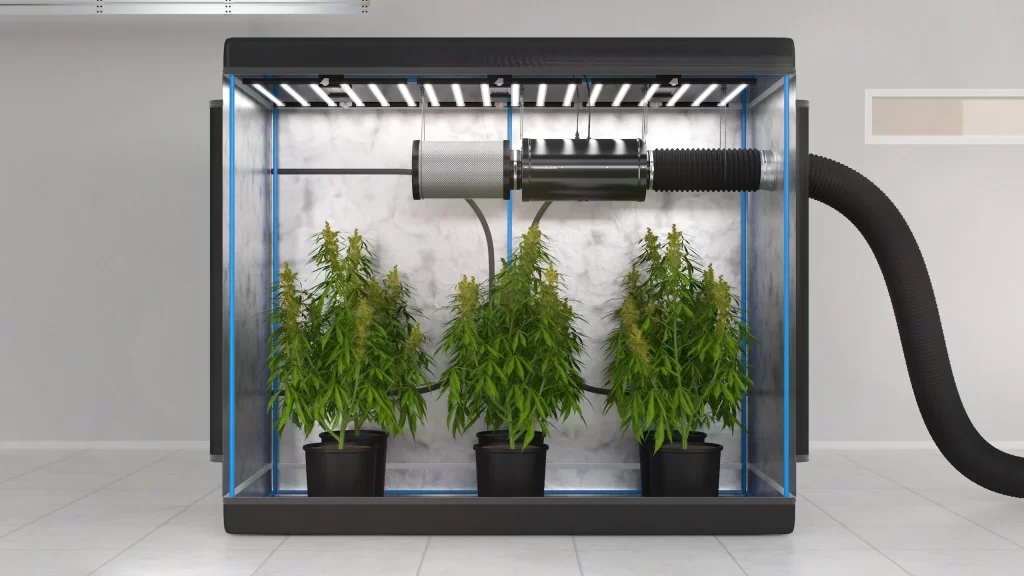
Now that you have all your equipment, it’s time to set up your grow tent. Here’s a step-by-step guide:
- Assemble the Grow Tent: Follow the manufacturer’s instructions to assemble your grow tent. Make sure it’s secure and stable. This is the foundation of your indoor garden, so it’s important to get it right.
- Install the Grow Lights: Hang the lights from the upper bars of the tent. Make sure they’re securely fastened and at the right height—too close can scorch your plants, too far away can stunt their growth. The right distance will depend on the type of light you’re using, so be sure to check the manufacturer’s recommendations.
- Set Up the Ventilation System: Install the exhaust fan near the top of the tent and make sure the intake holes are open. If you’re using an active intake fan, install it near the bottom of the tent. This will create a flow of air that helps to keep the temperature and humidity levels in check.
- Place the Air Filter: If you’re using one, install the air filter according to the manufacturer’s instructions. This will help to keep the air in your grow tent clean and odor-free.
- Install the Thermometer and Hygrometer: Place these tools in a location where you can easily read them. This will allow you to monitor the conditions in your grow tent and make adjustments as needed.
- Set Up the Timers: Connect your lights and ventilation system to the timers and program them according to your plants’ needs. This will help to automate your grow tent and ensure that your plants get the right amount of light and fresh air.
- Prepare the Growing Medium and Pots: Fill your pots with the growing medium and place them in the grow tent. Make sure they’re evenly spaced to allow for good air circulation and access to light.
Managing Your Grow Environment
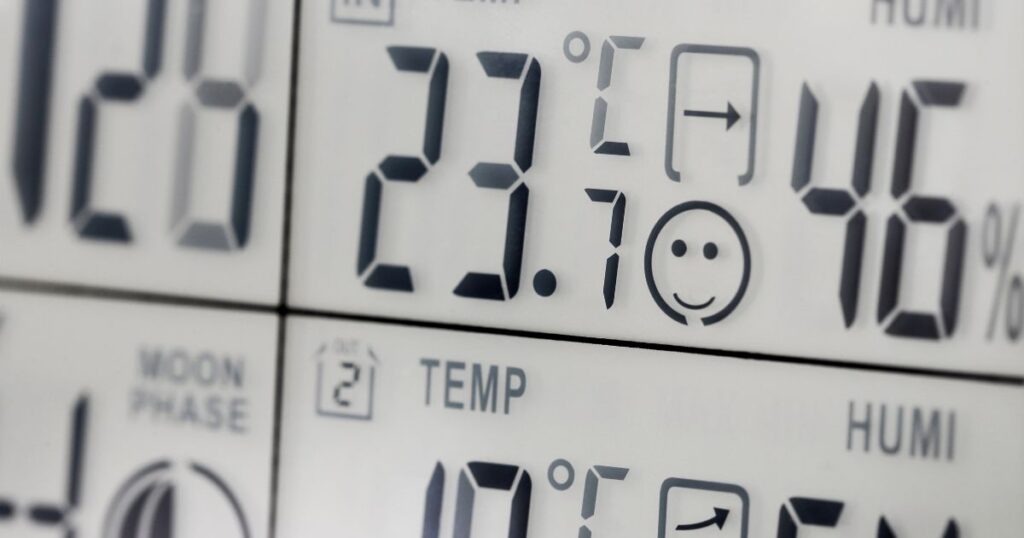
Once your grow tent is set up, you’ll need to manage the environment to ensure your plants thrive. Monitor the temperature and humidity levels regularly and adjust them as needed.
The ideal temperature and humidity levels will depend on the type of plants you’re growing, but as a general rule, most plants prefer a temperature between 20 and 30 degrees Celsius and a humidity level between 40% and 70%.
In addition to temperature and humidity, you’ll also need to manage the light in your grow tent. Most plants need around 12 to 18 hours of light per day, but this can vary depending on the type of plant and its stage of growth.
Finally, don’t forget to water your plants regularly. The amount of water your plants need will depend on the type of plant, the size of the plant, the temperature and humidity in your grow tent, and the type of growing medium you’re using.
Common Mistakes to Avoid When Setting Up a Grow Tent
Setting up a grow tent can be a learning process, and it’s common to make a few mistakes along the way. Here are some common pitfalls to avoid:
- Overcrowding the Tent: While it’s tempting to fit as many plants as possible into your grow tent, overcrowding can lead to poor air circulation and increased competition for light, both of which can negatively impact your plants’ health and growth.
- Ignoring the Importance of Ventilation: Good air circulation is crucial for preventing mold and pests, and for maintaining the right temperature and humidity levels. Make sure your ventilation system is up to scratch.
- Not Monitoring the Environment: Regularly check the temperature, humidity, and light levels in your grow tent and adjust them as needed. This will help to create the optimal environment for your plants.
- Not Using the Right Growing Medium: The growing medium provides your plants with the nutrients they need to grow. Make sure you choose the right one for your plants and replace it as needed.
- Not Watering Properly: Overwatering or underwatering can harm your plants. Make sure you water your plants regularly, but not too much. The amount of water your plants need will depend on the type of plant, the size of the plant, the temperature and humidity in your grow tent, and the type of growing medium you’re using.
Setting up an indoor grow tent can be a rewarding experience, especially when you see your plants thriving. By choosing the right equipment, setting up your grow tent correctly, and managing your grow environment, you can create the perfect indoor garden. So, whether you’re growing cannabis or rare indoor plants, this guide has got you covered. Happy growing!