

I. Introduction
In the world of organic gardening, soil is more than just dirt—it’s a vibrant, living ecosystem that plays a crucial role in nurturing healthy, resilient plants. This is particularly true when it comes to cannabis cultivation, where the quality of the soil can significantly influence the growth, yield, and potency of the plant. Welcome to the fascinating world of organic living soil, a game-changer for gardeners and cannabis cultivators alike.
Organic living soil is the foundation of organic gardening, embodying the principles of sustainability, biodiversity, and environmental stewardship. It’s about creating a rich, fertile soil teeming with beneficial microorganisms that work in harmony to feed your plants. For cannabis cultivators, this means healthier plants, higher yields, and a superior product that’s bursting with flavor and therapeutic properties.
In this comprehensive guide, we’ll delve into the what, why, and how of organic living soil, with a special focus on its application in cannabis cultivation. We’ll explore the components of organic living soil, how to create and maintain it, and the myriad benefits it brings to your garden and the environment. We’ll also debunk some common misconceptions and provide solutions to potential challenges you might encounter along the way.
Whether you’re a seasoned gardener or a curious beginner, this guide will equip you with the knowledge and tools to harness the power of organic living soil in your cannabis garden. So, let’s dig in and uncover the magic beneath our feet!
II. What is Organic Living Soil?
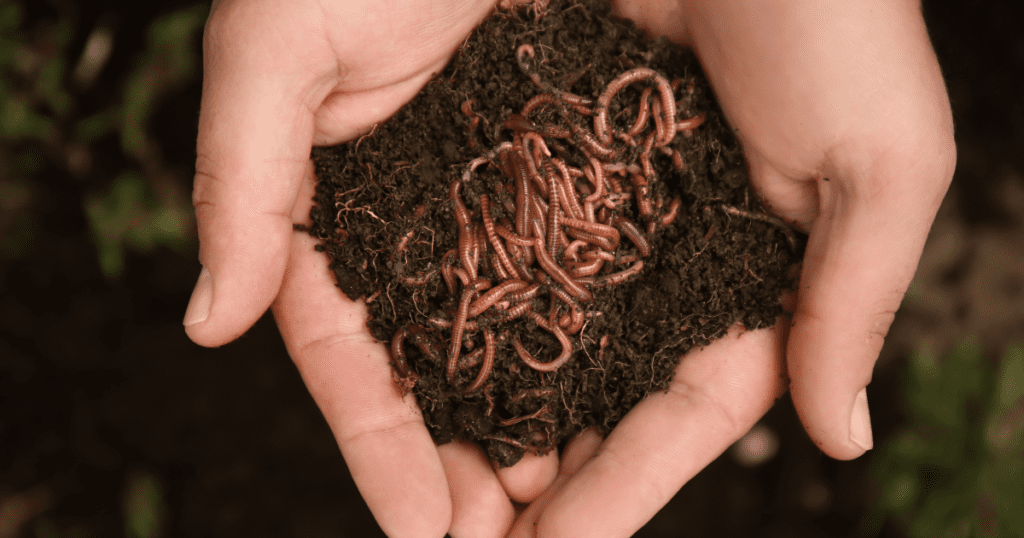
Organic living soil, as the name suggests, is a soil that is alive. It’s not just a medium for plant roots to anchor themselves, but a bustling ecosystem teeming with billions of microorganisms, including bacteria, fungi, protozoa, nematodes, and more. These microscopic creatures play a vital role in breaking down organic matter and converting it into nutrients that plants can absorb.
Principles of Organic Living Soil
The philosophy behind organic living soil is rooted in the principles of nature itself. In natural ecosystems, plants thrive without the need for synthetic fertilizers or pesticides. This is because the soil is alive, rich in organic matter, and full of beneficial microorganisms that help plants access the nutrients they need. Organic living soil seeks to replicate this natural process, creating a sustainable and self-sustaining ecosystem right in your garden.
Organic Living Soil and Organic Gardening
Organic living soil is the cornerstone of organic gardening. By focusing on the health of the soil, organic gardeners can grow plants that are more resilient and less dependent on synthetic inputs. Organic living soil also promotes biodiversity, improves soil structure, and helps retain water, making it a more sustainable choice for our environment.
Benefits in Cannabis Cultivation
When it comes to cannabis cultivation, organic living soil offers numerous benefits. It can enhance the growth and yield of your plants, improve the flavor and aroma of your buds, and increase the potency of your cannabis. Moreover, because organic living soil is rich in diverse microorganisms, it can help protect your plants from diseases and pests, reducing the need for chemical pesticides.
III. The Components of Organic Living Soil
Organic living soil is a rich tapestry woven from various components, each playing a crucial role in supporting plant growth and health. Let’s take a closer look at these components and understand their significance.
Compost, Potting Soil, and Organic Living Soil
At the heart of organic living soil is compost—a dark, crumbly substance that’s teeming with life. Compost is made from decomposed organic matter like kitchen scraps, yard waste, and manure. It’s a powerhouse of nutrients and serves as a food source for beneficial soil microorganisms.
Potting soil, often used as a base for organic living soil, is a blend of materials like peat moss, vermiculite, and perlite. It’s designed to provide good drainage and aeration, making it an ideal medium for plant roots to grow.
Organic living soil takes potting soil to the next level by adding compost and other organic amendments. The result is a fertile, well-draining soil that’s full of life.
Nutrient-Rich Soil Amendments
Soil amendments are materials added to the soil to improve its physical properties and nutrient content. In organic living soil, these amendments often come from natural sources. They include bone meal for phosphorus, blood meal for nitrogen, and greensand for potassium. Other amendments like kelp meal and rock dust provide a wide range of trace minerals.
Beneficial Micro-organisms
Beneficial microorganisms are the unsung heroes of organic living soil. They include bacteria, fungi, and other tiny creatures that help decompose organic matter and convert it into plant-available nutrients. Some of these microorganisms also form symbiotic relationships with plant roots, helping them absorb nutrients more efficiently.
IV. Creating and Maintaining Organic Living Soil
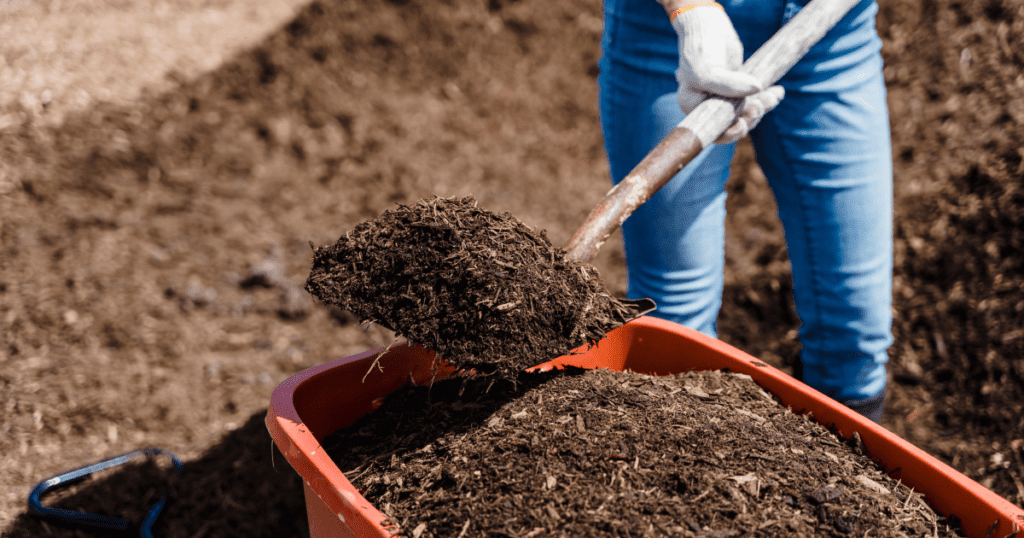
Creating your own organic living soil can be a rewarding experience. Not only does it give you control over what goes into your soil, but it also allows you to create a tailored environment that meets the specific needs of your cannabis plants. Here’s a simple step-by-step guide to get you started.
Preparing Organic Living Soil
- Start with a Base: Begin with a high-quality organic potting soil. This will serve as your base, providing good drainage and aeration for your plants.
- Add Compost: Add a generous amount of well-rotted compost. This will introduce beneficial microorganisms and provide a steady supply of nutrients for your plants.
- Incorporate Amendments: Add organic amendments to boost the nutrient content of your soil. The specific amendments you use will depend on the needs of your plants and the existing nutrient levels in your soil.
- Mix Well: Mix everything together thoroughly. You want to ensure that the compost and amendments are evenly distributed throughout the soil.
- Let it Cook: Allow the soil to “cook” for a few weeks before planting. This gives the microorganisms time to break down the amendments and make the nutrients available to your plants.
Maintaining a Healthy Organic Soil Ecosystem
Creating organic living soil is just the first step. To keep your soil healthy and productive, you’ll need to maintain it properly. Here are some tips:
- Water Wisely: Overwatering can lead to waterlogged soil and root problems. Water your plants when the top inch of soil feels dry to the touch.
- Mulch: Mulching helps retain soil moisture, suppress weeds, and add organic matter to the soil. Use organic mulches like straw, leaves, or wood chips.
- Rotate Crops: Crop rotation can help prevent the buildup of pests and diseases in the soil.
- Replenish Nutrients: Over time, your plants will deplete the nutrients in the soil. Replenish these nutrients by adding fresh compost and amendments as needed.
V. Advantages of Organic Living Soil in Cannabis Cultivation
Organic living soil is a boon for cannabis cultivators, offering a host of benefits that can enhance the quality and yield of your crop. Here are some key advantages:
Enhanced Plant Growth, Yield, and Quality
Organic living soil provides a rich, balanced diet for your cannabis plants. The diverse microorganisms in the soil break down organic matter into a smorgasbord of nutrients, which are slowly released to your plants as they need them. This results in robust plant growth, higher yields, and superior quality buds.
Improved Terpene and Cannabinoid Profiles
Cannabis grown in organic living soil tends to have better terpene and cannabinoid profiles. Terpenes are the compounds that give cannabis its unique aroma and flavor, while cannabinoids like THC and CBD are responsible for the plant’s psychoactive and medicinal effects. By providing a healthy, stress-free environment, organic living soil allows your cannabis plants to express their full genetic potential.
Environmental Sustainability
Organic living soil is not just good for your plants—it’s also good for the planet. It promotes biodiversity, improves soil health, and reduces the need for synthetic fertilizers and pesticides. By choosing organic living soil, you’re contributing to a more sustainable and resilient food system.
Reduced Reliance on Synthetic Fertilizers
One of the major benefits of organic living soil is that it reduces the need for synthetic fertilizers. The soil is designed to be a self-sustaining ecosystem, with microorganisms continuously recycling nutrients and making them available to your plants. This not only saves you time and money, but it also reduces the risk of nutrient runoff, which can harm local waterways.
VI. Common Misconceptions and Challenges
While organic living soil offers numerous benefits, it’s not without its challenges. Here, we address some common misconceptions and provide solutions to potential issues you might encounter.
Misconception: Organic Living Soil is Too Complicated
Many people believe that creating and maintaining organic living soil is too complex or time-consuming. While it does require some knowledge and effort, the process can be quite straightforward, especially once you understand the basic principles. Plus, the long-term benefits—healthier plants, higher yields, and fewer pest problems—make it well worth the effort.
Challenge: Maintaining Nutrient Balance
One of the challenges of organic living soil is maintaining the right balance of nutrients. Because the nutrients come from organic matter and are released by microorganisms, it can be harder to control their availability compared to synthetic fertilizers. Regular soil testing can help you monitor nutrient levels and make necessary adjustments.
Misconception: Organic Living Soil is Expensive
While it’s true that some organic amendments can be pricier than synthetic fertilizers, the cost of organic living soil should be considered as an investment. Over time, as your soil ecosystem becomes more established, you’ll save money on fertilizers and pest control. Plus, the improved plant health and yields can more than make up for the initial cost.
Challenge: Dealing with Pests and Diseases
While organic living soil can help deter pests and diseases, it’s not a magic bullet. You’ll still need to monitor your plants regularly and take action at the first sign of trouble. The good news is that healthy plants grown in organic living soil are often more resilient and better able to withstand pest and disease attacks.
VII. References and Additional Resources
We hope this guide has given you a deeper understanding of organic living soil and its benefits for cannabis cultivation. If you’re eager to learn more, here are some additional resources to explore:
- “Living Soil for Cannabis: A Beginner’s Guide” from Dutch Passion. This article provides a comprehensive overview of living soil and its application in cannabis cultivation.
- “Organic Super Soil” from Grow Weed Easy. This guide offers a step-by-step process for creating your own organic super soil at home.
- “The Best Soil for Growing Cannabis” from Humboldt Seed Company. This post discusses the importance of soil quality in cannabis cultivation and offers tips for choosing the best soil.
Remember, the journey to organic living soil is a process of learning and experimentation. Don’t be afraid to get your hands dirty and try new things. Happy gardening!