

Introduction
Gardening is a delightful blend of art and science that brings joy and fulfillment to many people worldwide. It’s a hobby that not only enhances our surroundings but also provides a therapeutic escape from the daily grind. However, to truly master this art, one must understand the intricate needs of plants, which extend beyond just sunlight and water. They need a balanced source of nutrients to support their growth and development. Just as humans need a variety of vitamins and minerals to maintain optimal health, plants also require a range of nutrients to flourish. In fact, there are 17 different nutrients that are essential for plants, each playing a specific role in their growth and development. This blog post will delve into the world of plant nutrition, helping you understand what your plants need to thrive and how you can provide these essential nutrients.
Understanding Plant Nutrients

Plant nutrients can be broadly categorized into two groups: macronutrients and micronutrients.
Macronutrient
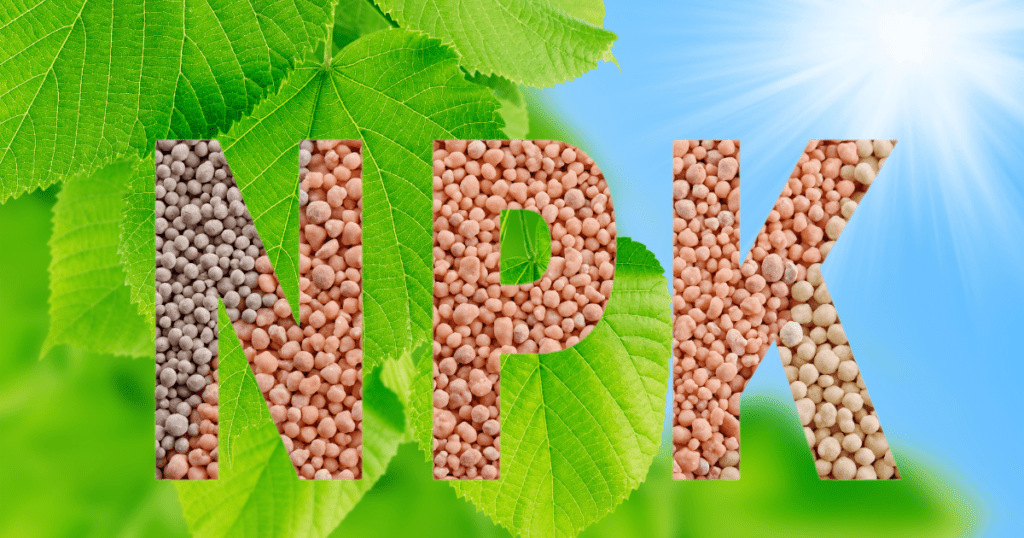
Macronutrients are nutrients that plants need in large amounts. These include nitrogen, phosphorus, potassium, calcium, sulfur, and magnesium. Each of these macronutrients plays a crucial role in plant health and development. For instance, nitrogen is a key component of amino acids, proteins, and nucleic acids, and is essential for cell division and growth. Phosphorus, on the other hand, is involved in energy transfer and storage, while potassium regulates the opening and closing of stomata and activates enzymes.
Micronutrients
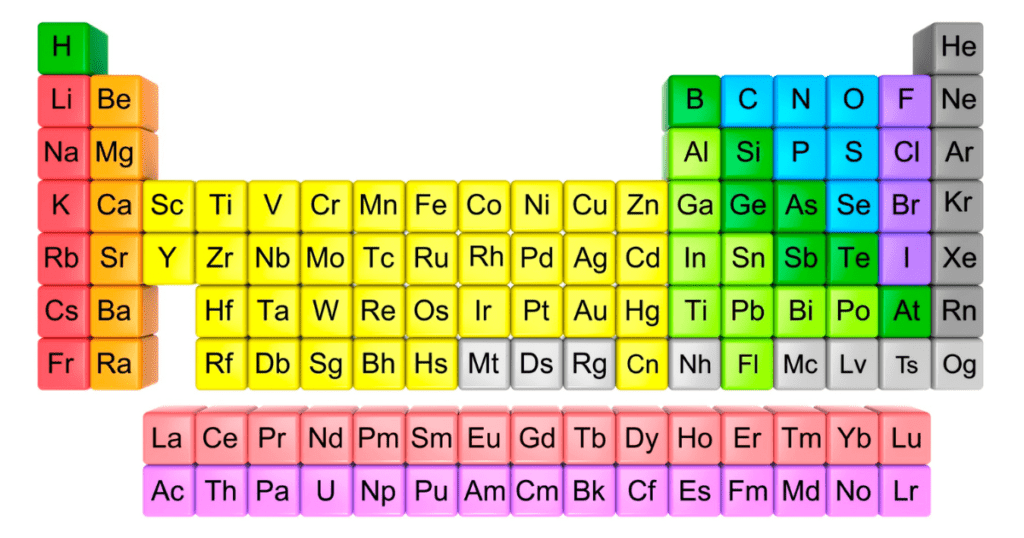
Micronutrients, although required in smaller amounts, are equally important for plant health. These include iron, boron, chlorine, manganese, zinc, copper, molybdenum, and nickel. Iron, for example, is necessary for chlorophyll synthesis and functions in energy transfer. Boron is involved in carbohydrate transport in plants; it also assists in metabolic regulation. Boron deficiency will often result in bud dieback.
Organic vs Synthetic Nutrients

When it comes to providing nutrients to your plants, you have two main options: organic and synthetic nutrients. Organic nutrients are derived from natural sources such as compost, manure, or bone meal. They are beneficial as they improve soil structure, promote beneficial microbial growth, and release nutrients slowly over time. However, they may not provide a balanced nutrient supply, and their nutrient content can be variable.
Synthetic nutrients, on the other hand, are composed of synthesized or processed chemicals. They are typically more concentrated and provide a balanced supply of nutrients. However, they can potentially harm beneficial soil organisms and may lead to nutrient runoff if not used properly.
Signs of Nutrient Deficiency

Just like humans, plants show signs when they are not getting the nutrients they need. Nutrient deficiencies can cause symptoms such as leaf yellowing or browning, sometimes in distinctive patterns. This may be accompanied by stunted growth and poor flowering or fruiting. For instance, a nitrogen deficiency often results in yellowing of older leaves, while a potassium deficiency can cause leaf edges to turn brown and die. Recognizing these signs early can help you address the nutrient deficiency and restore your plants to health.
Choosing the Right Nutrients
At Evergreen Grow, we offer a wide range of nutrient solutions to cater to the diverse needs of plants. When choosing a nutrient solution, it’s important to consider the type of plants you are growing and their specific nutrient requirements. For instance, flowering plants typically require higher levels of phosphorus, while leafy greens need more nitrogen. Understanding your plants’ nutrient needs can help you select the right nutrient solution and ensure your plants get the nutrients they need to thrive.
-
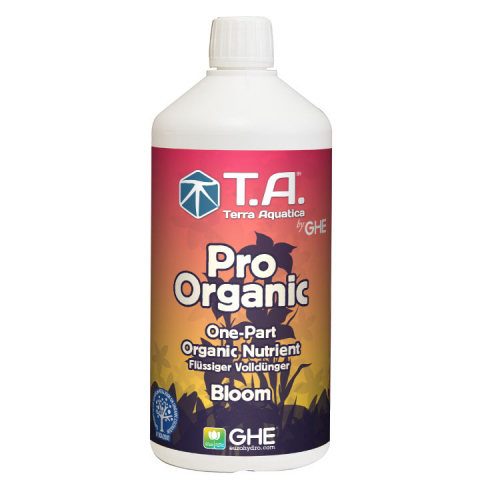
 Terra Aquatica Pro Organic Bloom 1LR330,00
 -
Terra Aquatica Pro Organic Gro 1LR350,00
-
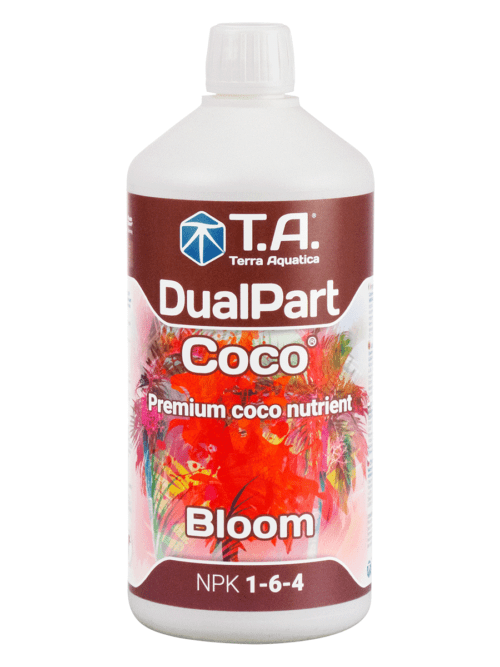
Terra Aquatica Dualpart Coco Bloom 1LR325,00
-
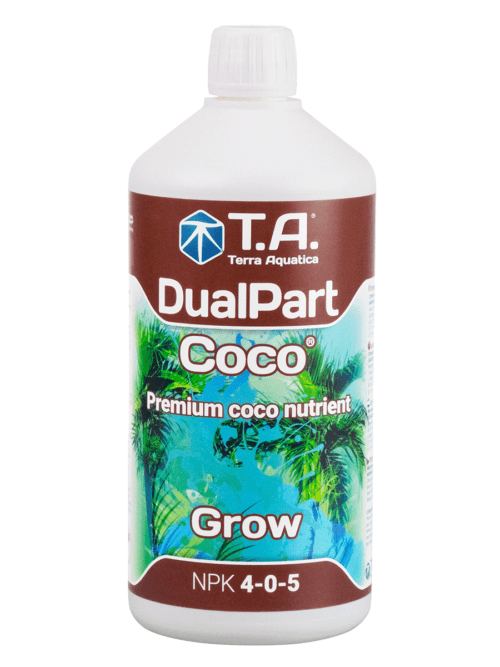
Terra Aquatica Dualpart Coco Grow 1LR325,00
-
BioBizz Fish-MixPrice range: R160,00 through R280,00
-
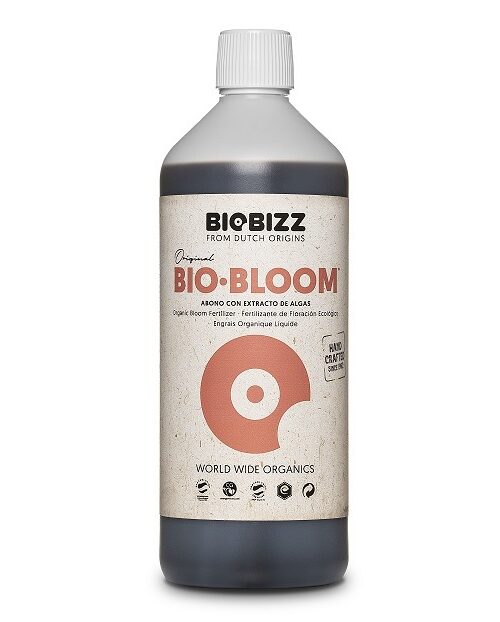
BioBizz Bio-BloomPrice range: R160,00 through R295,00
-
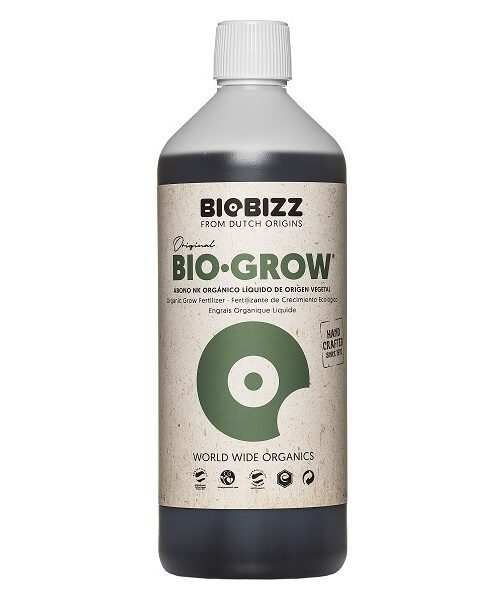
BioBizz Bio-GrowPrice range: R160,00 through R295,00
-
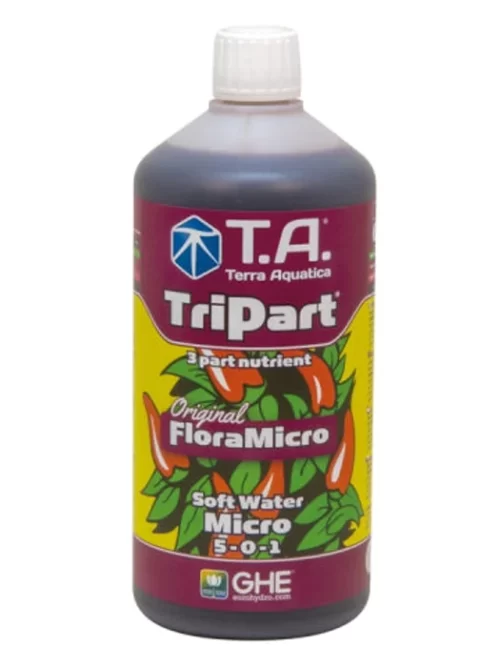
Terra Aquatica TriPart MicroR260,00
-
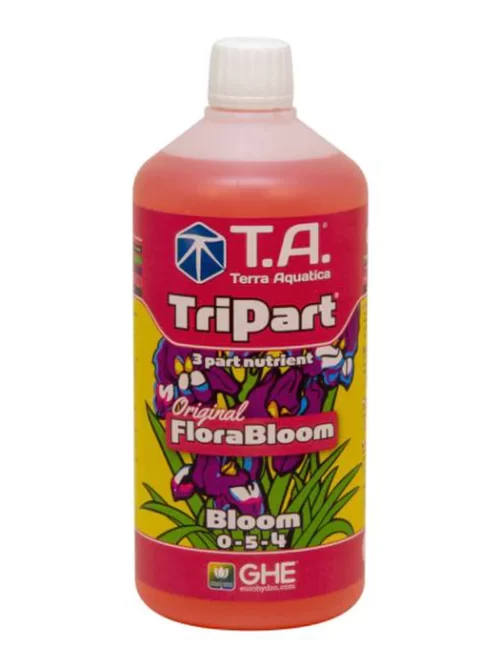
Terra Aquatica TriPart BloomR260,00


How to Apply Nutrients

The process of applying nutrients to your plants, while straightforward, requires careful execution to ensure maximum benefit. Here are some steps to guide you:
- Understand Your Plants’ Needs: Different plants have different nutrient needs, and these needs may change throughout their lifecycle. For example, flowering plants may need more phosphorus during the blooming phase. Understanding these needs will help you determine what type of fertilizer to use and when to apply it.
- Choose the Right Fertilizer: Fertilizers come in many forms, including granular, liquid, and slow-release capsules. The type you choose will depend on your plants’ needs, your soil type, and your personal preference.
- Read the Instructions: Always read the instructions on the fertilizer package before applying. These instructions will tell you how much to use and how often to apply it. Over-fertilizing can harm your plants and the environment.
- Apply the Fertilizer: There are several methods to apply fertilizer. You can scatter it over the entire garden (broadcasting), apply it in a line along the plant rows (banding), or apply it around individual plants (side-dressing). The method you choose will depend on the type of plants you have and their arrangement in your garden.
- Water Your Garden: After applying the fertilizer, water your garden. This will help dissolve the fertilizer and make the nutrients available to the plant roots. Be careful not to overwater, as this can wash away the nutrients.
- Monitor Your Plants: After fertilizing, keep an eye on your plants. If they show signs of nutrient deficiency or nutrient burn (caused by over-fertilizing), you may need to adjust your fertilization practices.
Remember, the goal of fertilizing is to supplement the nutrients that are lacking in your soil. Therefore, it’s a good idea to conduct a soil test before you start fertilizing. This will tell you what nutrients your soil is lacking and help you choose the right fertilizer.
The Soil Factor

The type of soil you have in your garden plays a significant role in nutrient availability. Different soil types have different nutrient holding capacities. Sandy soils, for instance, have large particles and don’t hold onto nutrients well. Nutrients tend to leach out with watering. On the other hand, clay soils have small particles and can hold onto nutrients so tightly that they aren’t available to plants. Knowing your soil type can help you make better decisions about what types of plants will do well in your garden and what type of fertilizers you should be using.
The Role of pH
The pH level of your soil also affects nutrient availability. Some nutrients are more available to plants at certain pH levels. If the pH level is too high or too low, some nutrients can become locked up in the soil, unavailable to your plants. Most plants prefer a slightly acidic to neutral pH level, but there are some plants, like blueberries and azaleas, that prefer more acidic soil. If your soil pH doesn’t match the needs of your plants, you can add amendments to change the pH level.
The Importance of a Balanced Diet
Just like humans, plants need a balanced diet of nutrients. If they get too much of one nutrient, it can cause a deficiency of another nutrient. For instance, too much phosphorus can cause a deficiency of zinc and iron. When fertilizing your plants, it’s important to use a balanced fertilizer that contains all the essential nutrients. You should also pay attention to your plants and the symptoms they are showing. If they are showing signs of nutrient deficiency, you might need to adjust your fertilization practices.
Conclusion
Proper plant nutrition is a cornerstone of successful gardening. By understanding the nutrient needs of your plants and providing them with the right balance of macronutrients and micronutrients, you can ensure that your garden thrives. Whether you choose organic or synthetic nutrients, the key is to provide a balanced supply of all the essential nutrients. Remember, nutrient deficiencies can lead to poor plant health, so it’s important to keep an eye out for any signs of nutrient deficiency. With the right knowledge and tools, you can master the art of plant nutrition and create a thriving garden.