

Introduction
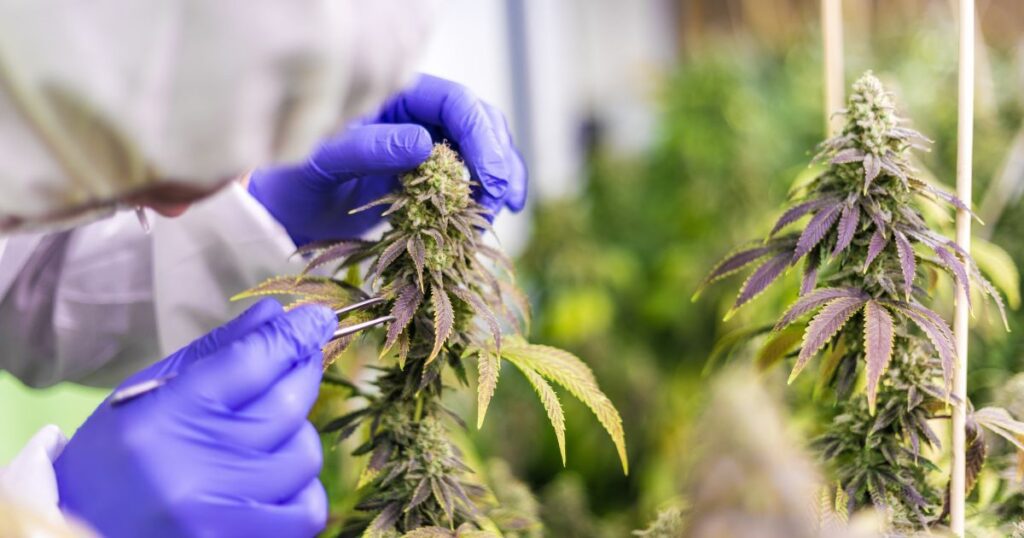
Join us today on an exciting journey into the world of cannabis. We’re moving beyond the well-trodden discussions about THC and CBD, the most famous compounds in cannabis, and stepping into the aromatic and therapeutic universe of cannabis terpenes. These often overlooked compounds, overshadowed by their cannabinoid siblings, shape the cannabis experience. They create the unique scents and flavors of different cannabis strains. They make one strain smell like fresh fruit and another like musky cheese. If you want to enrich your understanding and appreciation of cannabis, and learn how these tiny compounds make a big impact, dive with us into the world of terpenes!
What are Terpenes?
Terpenes, naturally occurring compounds, exist in a wide variety of plants, not just cannabis. They create the aromatic oils that give plants their unique scents and flavors. For example, the terpene pinene gives a pine forest its refreshing scent, while linalool creates the calming aroma of lavender. But terpenes do more than just smell good. They play vital roles in plant health and defense. They protect plants from pests and diseases and help plants recover from damage. They also offer potential health benefits for humans. Some terpenes show anti-inflammatory and analgesic properties, while others may help with anxiety or depression. Indeed, the therapeutic potential of terpenes is one of the most exciting areas of current cannabis research.
Terpenes in Cannabis
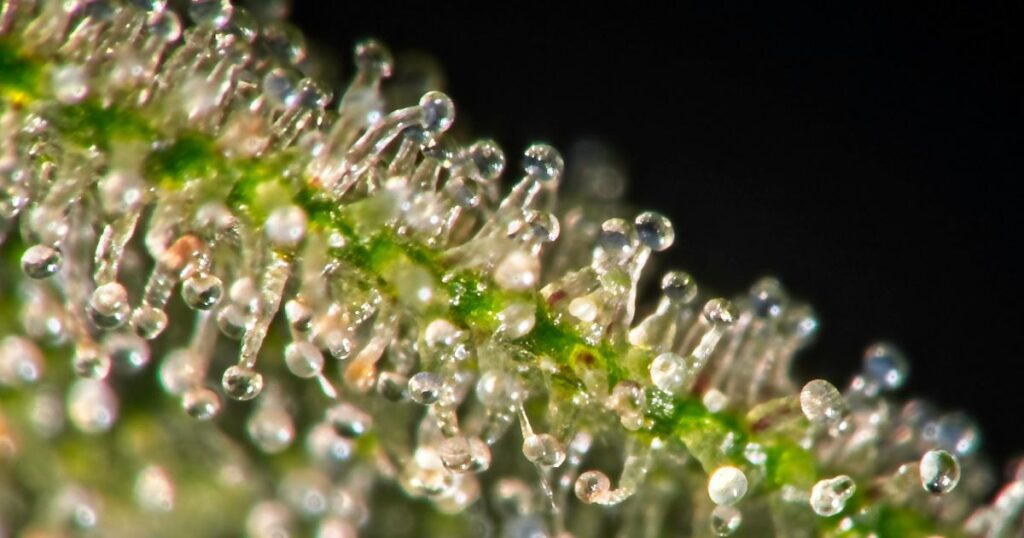
Cannabis plants teem with terpenes. Researchers have identified over 150 different types of terpenes in cannabis! The plant’s trichomes, the tiny, sticky hairs that cover the cannabis flower, produce these terpenes. Each cannabis strain has a unique terpene profile, which gives it a distinctive aroma and flavor. Some strains might smell fruity or citrusy, while others might have a more earthy or spicy aroma. This is why different strains can smell and taste so different from each other, even though they’re all cannabis.
But terpenes do more than just give cannabis its unique smell and taste. They play a crucial role in the plant’s survival. Terpenes protect the cannabis plant from pests and diseases, and they help the plant recover from damage. For example, some terpenes repel insects and other pests, while others attract beneficial insects that assist with pollination. This is one reason why cannabis plants produce such a wide variety of terpenes.
In addition to their role in plant health, terpenes also influence the effects of cannabis. They interact with cannabinoids like THC and CBD, potentially enhancing their effects. This happens because terpenes can influence how the body absorbs and metabolizes cannabinoids. For example, people believe that the terpene myrcene enhances the absorption of THC, potentially making its effects more potent. Conversely, the terpene limonene is thought to help counteract some of the anxiety-inducing effects of THC.
In short, terpenes shape the cannabis experience. They create the unique smells and flavors of different strains, and they can also influence the effects of cannabis. So, the next time you enjoy your favorite strain, take a moment to appreciate the complex world of terpenes that create its unique aroma and effects.
The Major Terpenes in Cannabis
While cannabis contains over 150 different terpenes, a few of them stand out. Let’s examine three of the most prevalent terpenes: myrcene, caryophyllene, and limonene.
Myrcene
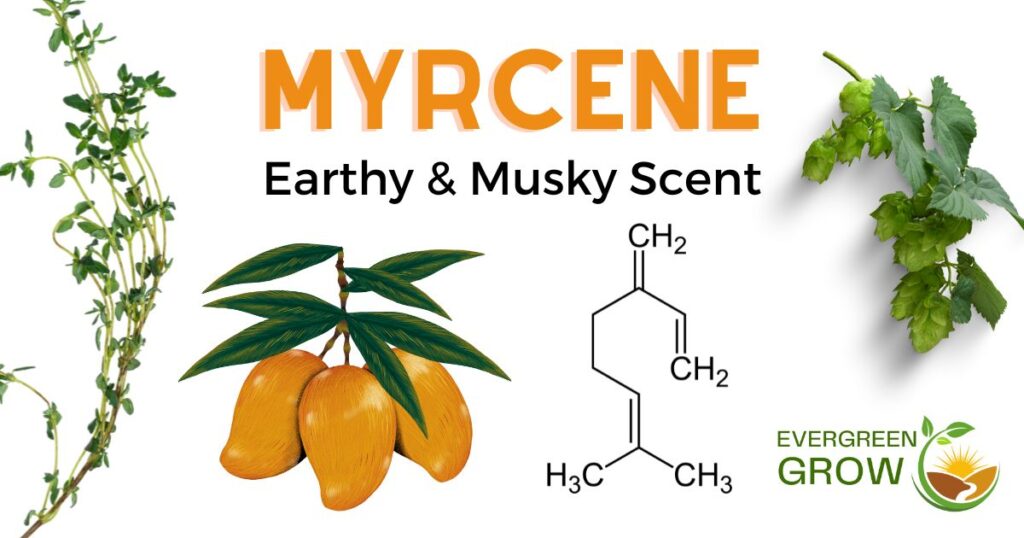
Myrcene, one of the most common terpenes in cannabis, has a sweet, earthy aroma and also exists in plants like lemongrass and hops. Some research suggests that myrcene may have anti-inflammatory and analgesic properties, which could potentially contribute to the pain-relieving effects of certain cannabis strains. People also believe that myrcene enhances the psychoactive effects of THC, which could explain why strains high in myrcene often produce strong euphoric effects.
Caryophyllene
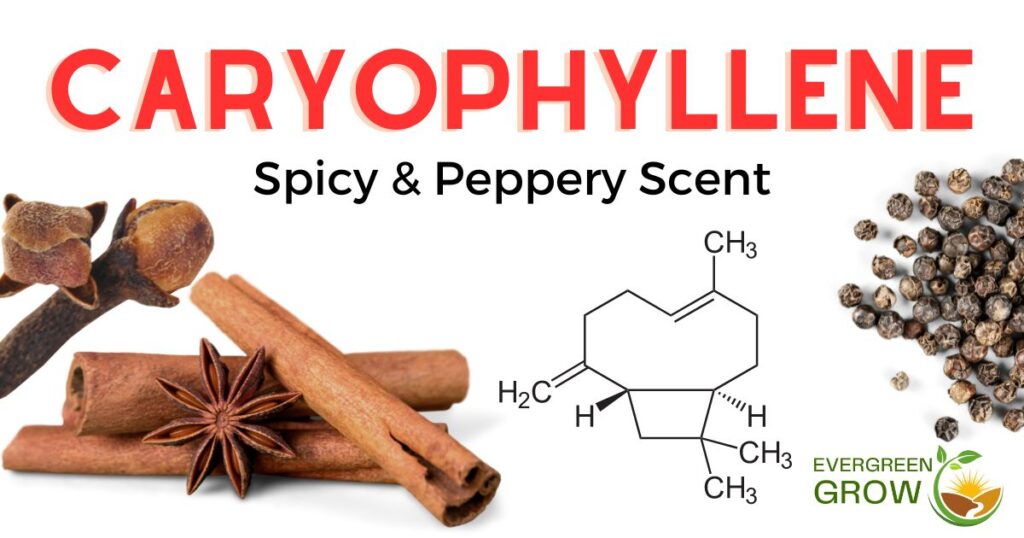
Caryophyllene, another common terpene in cannabis, has a spicy, peppery aroma and also exists in black pepper and cloves. Interestingly, caryophyllene is unique among terpenes because it can interact with the body’s endocannabinoid system, much like cannabinoids do. It’s thought to bind to CB2 receptors, which exist throughout the immune system, potentially offering anti-inflammatory and pain-relieving benefits.
Limonene
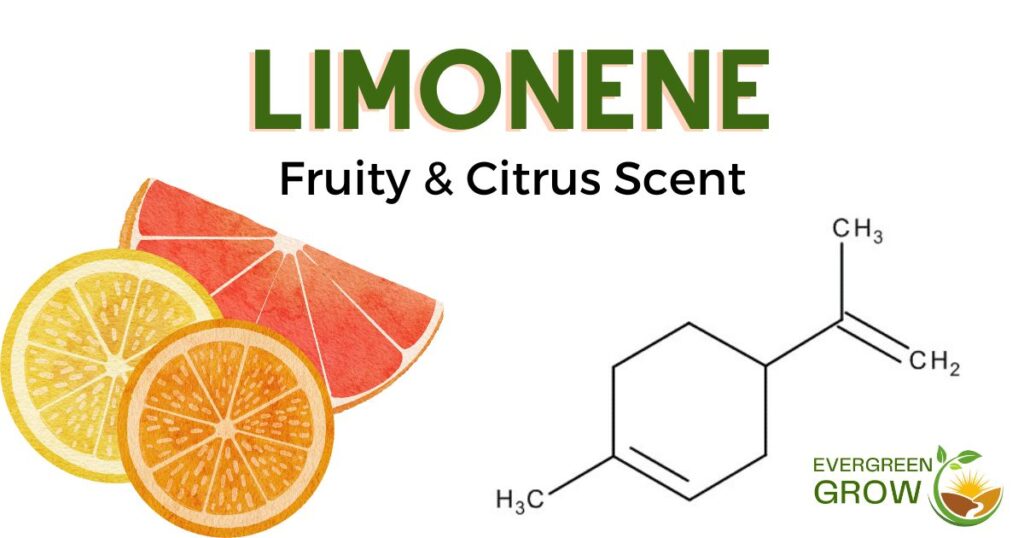
Limonene, as the name suggests, has a strong citrusy aroma. You can find it in citrus fruits as well as in cannabis. Limonene is known for its uplifting effects and may also have anti-stress and anti-anxiety properties. Some research suggests that limonene could potentially help to boost mood and reduce stress, making it a common terpene in strains recommended for anxiety and depression.
Each of these terpenes contributes to the unique aroma, flavor, and effects of different cannabis strains. They’re a key part of what makes each strain unique. And while we’ve only scratched the surface of the many terpenes found in cannabis, understanding these three major players can give you a deeper appreciation for the complexity and diversity of this remarkable plant.
The Entourage Effect
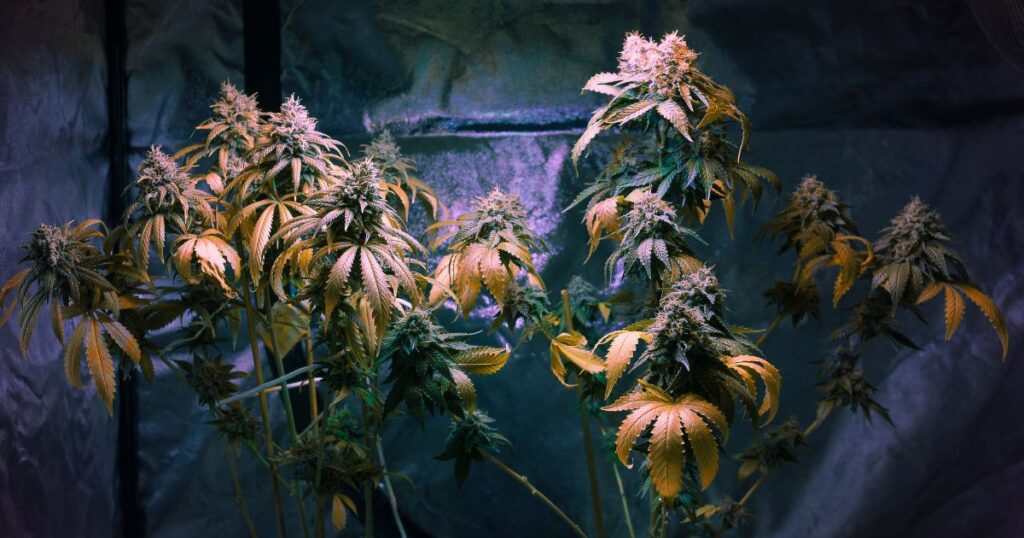
One of the most fascinating aspects of terpenes is their role in the “entourage effect.” This is the idea that the various compounds in cannabis, including terpenes and cannabinoids, work better together than they do individually. This synergy can potentially enhance the therapeutic effects of cannabis. For instance, certain terpenes are believed to enhance the absorption of cannabinoids, while others may mitigate the psychoactive effects of THC. This means that the terpene profile of a cannabis strain can significantly influence your experience with it.
The entourage effect is a key concept in understanding why whole-plant cannabis products can be more effective than isolated compounds. When you consume a cannabis product that contains a full spectrum of cannabinoids and terpenes, you’re getting the benefit of these compounds working together in harmony. This is why many cannabis enthusiasts prefer full-spectrum products over isolates. It’s also why the aroma and flavor of cannabis – which are largely determined by terpenes – can be an extremely important part of the overall experience.
The Therapeutic Potential of Terpenes

Beyond their role in the entourage effect, terpenes are also being studied for their own therapeutic potential. Research suggests that terpenes may have a range of health benefits, from anti-inflammatory and antioxidant effects to pain relief and mood enhancement.
For instance, the terpene myrcene may have anti-inflammatory and analgesic properties, which could potentially contribute to the pain-relieving effects of certain cannabis strains. Caryophyllene, on the other hand, is unique among terpenes because it can interact with the body’s endocannabinoid system, much like cannabinoids do. It’s thought to bind to CB2 receptors, which exist throughout the immune system, potentially offering anti-inflammatory and pain-relieving benefits.
Limonene, known for its uplifting effects, may also have anti-stress and anti-anxiety properties. Some research suggests that limonene could potentially help to boost mood and reduce stress, making it a common terpene in strains recommended for anxiety and depression.
However, it’s important to note that research into the therapeutic effects of terpenes is still in its early stages, and more studies are needed to fully understand their potential. But the early results are promising, and they suggest that terpenes could play a key role in the medicinal benefits of cannabis.
Conclusion
So, we’ve taken a deep dive into the world of cannabis terpenes. We’ve explored what terpenes are, their role in cannabis, and their potential therapeutic benefits. But remember, this is just the beginning. The world of cannabis terpenes is vast and complex, and there’s still so much to learn. So, continue exploring, keep asking questions, and most importantly, enjoy your journey through the aromatic world of cannabis terpenes!
References
In this blog post, we’ve drawn on a range of sources to bring you the latest and most accurate information on cannabis terpenes. We encourage you to explore these sources for yourself if you’re interested in learning more.
- Russo, E. B. (2011). Taming THC: potential cannabis synergy and phytocannabinoid-terpenoid entourage effects. British Journal of Pharmacology, 163(7), 1344-1364. Link
- Andre, C. M., Hausman, J. F., & Guerriero, G. (2016). Cannabis sativa: The Plant of the Thousand and One Molecules. Frontiers in Plant Science, 7, 19. Link
- Fischedick, J. T. (2017). Identification of Terpenoid Chemotypes Among High (-)-trans-Δ9- Tetrahydrocannabinol-Producing Cannabis sativa L. Cultivars. Cannabis and Cannabinoid Research, 2(1), 34-47. Link
- Lewis, M. A., Russo, E. B., & Smith, K. M. (2018). Pharmacological Foundations of Cannabis Chemovars. Planta Medica, 84(04), 225-233. Link
- “What are cannabis terpenes and what do they do?” Leafly. Link
- “The Ultimate Guide to Cannabis Terpenes.” Medical News Today. Link
- “Cannabis Terpenes: An In-Depth Guide.” Weedmaps. Link
- “What Are Terpenes? Definitive 2021 Guide – CBD, Cannabis, Essential Oils.” Greencamp. Link
Wow this is a fascinating read!